01
امتداد المعرفة الصناعية
Shaoxing Yiqiang Electric Appliance Technology Co.,Ltd.
Hair straighteners, also known as flat irons, work by applying heat to the hair shaft, altering its structure and temporarily straightening it. Here's a breakdown of how hair straighteners work:
Heat Generation: Hair straighteners are equipped with heating elements inside their plates. These elements heat up when the straightener is turned on, usually reaching temperatures between 200 to 450 degrees Fahrenheit (93 to 232 degrees Celsius).
Heat Transfer: The heated plates of the straightener come into direct contact with the hair. The heat is transferred from the plates to the hair strands, gradually raising the temperature of the hair.
Breaking Hydrogen Bonds: The heat from the straightener helps break down the hydrogen bonds in the hair. Hydrogen bonds are responsible for maintaining the natural shape and texture of the hair. By disrupting these bonds, the hair becomes more malleable and can be reshaped.
Straightening the Hair: As the heated plates glide along the hair shaft, they help reposition the hair strands into a straighter configuration. The tension applied by the straightener further helps in straightening the hair.
Temporary Effect: It's important to note that the straightening effect achieved with a hair straightener is temporary. As the hair cools down and is exposed to moisture or humidity, the hydrogen bonds reform, and the hair gradually returns to its natural state.
When using a hair straightener, it's crucial to take precautions to minimize damage to the hair, such as using heat protectant products, using appropriate temperature settings for your hair type, and avoiding excessive heat exposure. Additionally, incorporating proper hair care practices and maintaining hair health can help mitigate any potential damage caused by heat styling.
When choosing a hair straightener, several key features should be considered to ensure you select the right one for your hair type and styling needs. Here are some important features to look for:
Plate Material: Hair straighteners typically have plates made of different materials, such as ceramic, tourmaline, titanium, or a combination of these. Ceramic plates distribute heat evenly, while tourmaline plates emit negative ions to reduce frizz. Titanium plates heat up quickly and provide consistent heat. Consider your hair type and desired results when choosing the plate material.
Plate Width and Length: The width and length of the plates affect the amount of hair that can be straightened at once. Narrow plates (around 1 inch or less) are suitable for short hair or precise styling, while wider plates (1.5 to 2 inches) are better for long, thick hair and speedier styling.
Temperature Control: Opt for a hair straightener with adjustable temperature settings. Different hair types require different heat levels to avoid damage. Fine or damaged hair generally needs lower temperatures, while thick or coarse hair may require higher temperatures. Look for a straightener with a range of temperatures that suits your hair's needs.
Heat-Up Time: Consider the time it takes for the straightener to heat up. Faster heat-up times are convenient if you're in a hurry or need to style your hair quickly.
Temperature Display: A clear and easily readable temperature display allows you to monitor and adjust the heat level accurately, ensuring you don't unintentionally expose your hair to excessive heat.
Heat Recovery Time: The heat recovery time refers to how quickly the straightener returns to the desired temperature after passing through the hair. A shorter heat recovery time means you can style your hair more efficiently.
Floating Plates: Floating plates have some flexibility and adjust to the hair, providing even pressure and preventing snagging or pulling. They help create smoother, more uniform results.
Safety Features: Look for safety features like auto-shutoff, which turns off the straightener after a certain period of inactivity. This is especially useful for preventing accidents and conserving energy.
Ergonomic Design: Consider the overall design of the straightener, including the handle and weight. An ergonomic design makes it comfortable to hold and maneuver during styling.
Swivel Cord: A swivel cord prevents tangling and allows for better maneuverability while styling, enhancing ease of use.
Dual Voltage: If you travel frequently, a straightener with dual voltage compatibility is essential. It can be used worldwide by adjusting the voltage setting.
Warranty: Check the warranty provided by the manufacturer. A longer warranty period indicates the brand's confidence in the product's quality.
By considering these key features, you can choose a hair straightener that meets your specific hair needs, provides efficient styling, and helps minimize damage to your hair.

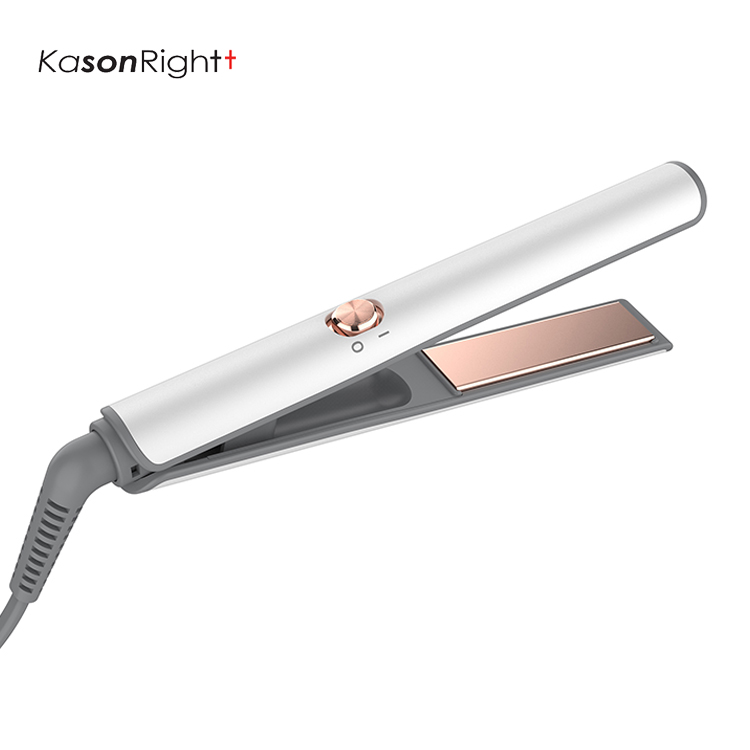
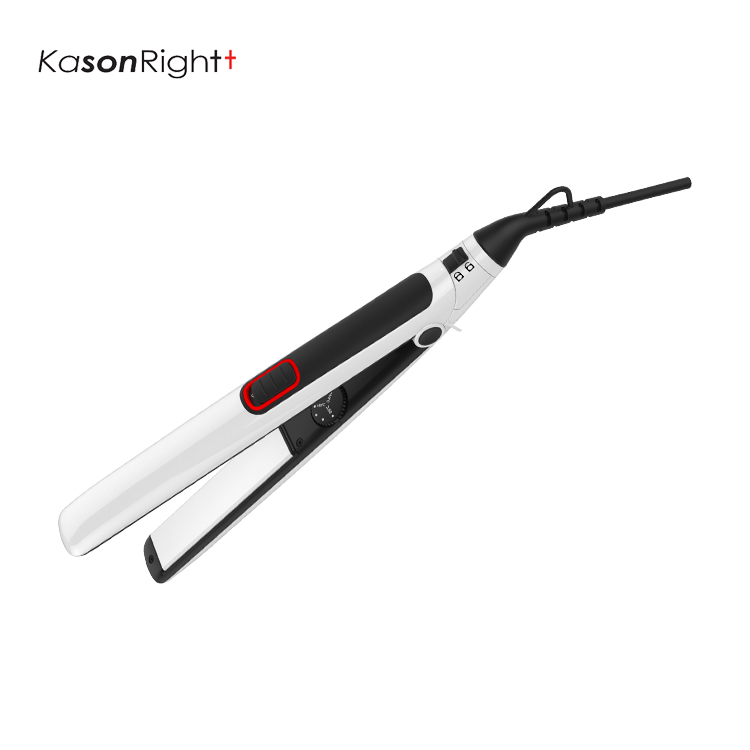
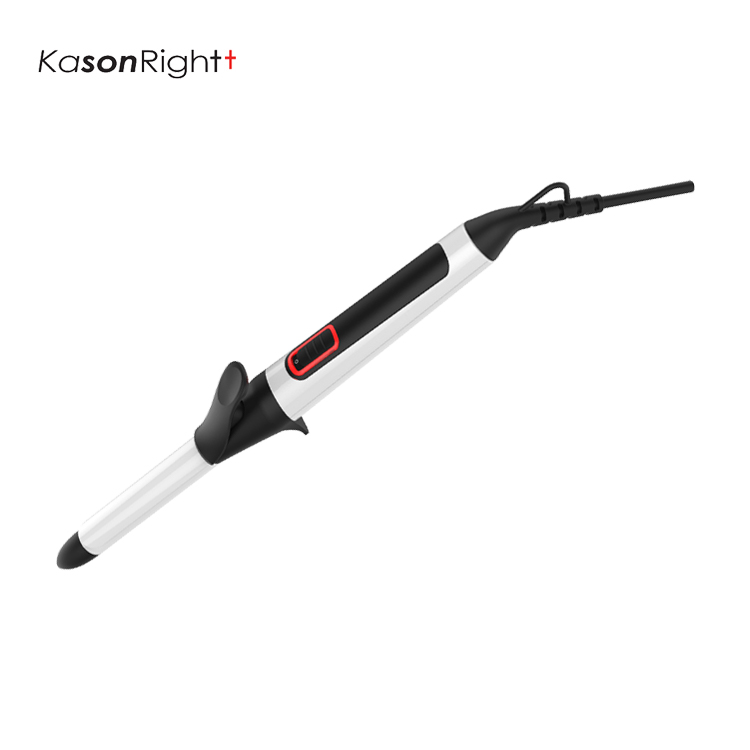
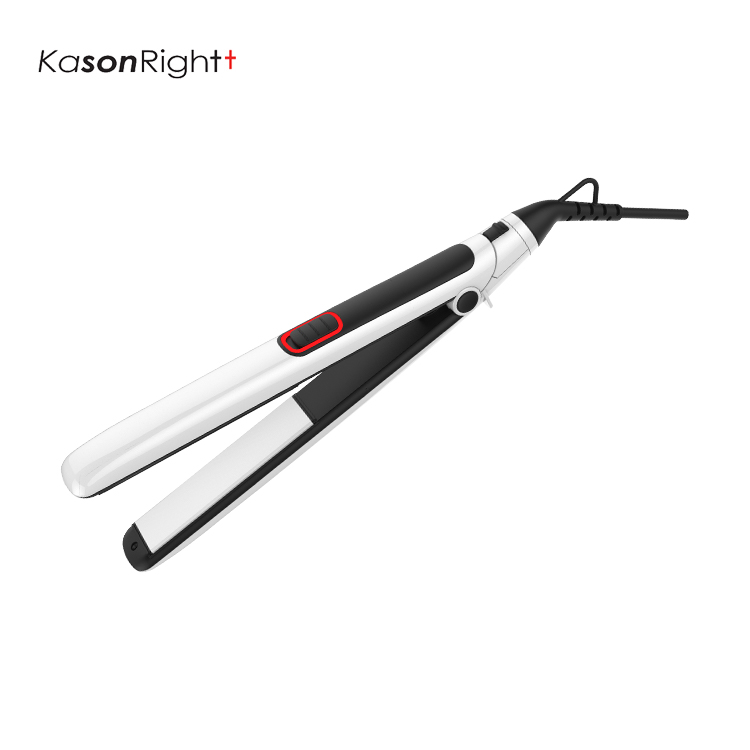
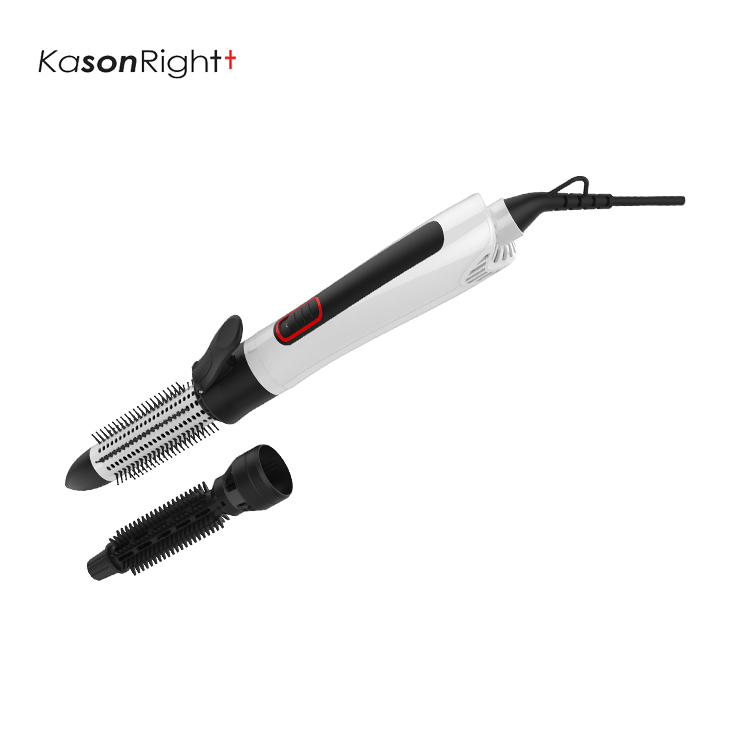



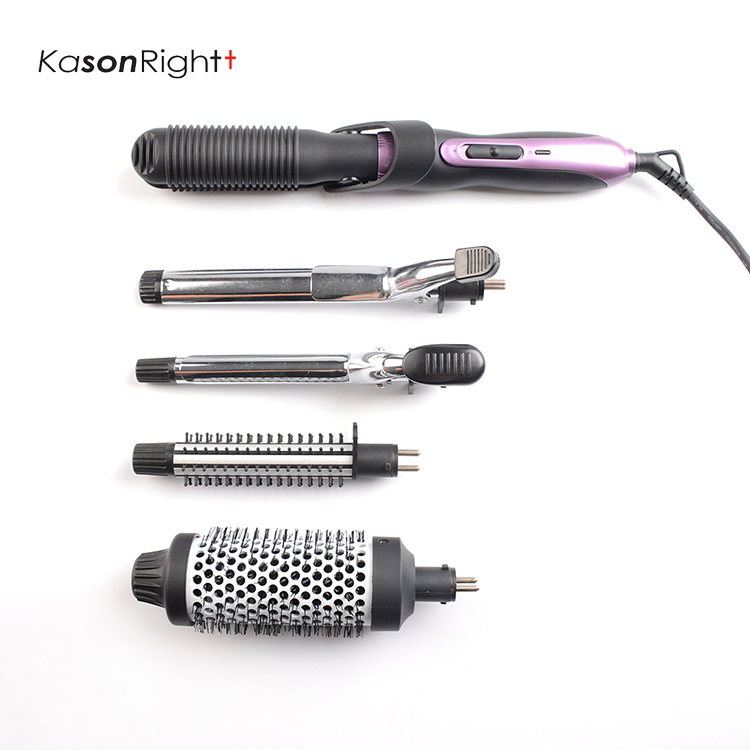 أداة تجعيد الشعر متعددة الطرازات، مجموعة تمليس الشعر مع ملحقات أدوات سيراميك قابلة للتبديل، مصفف شعر الكل في واحد
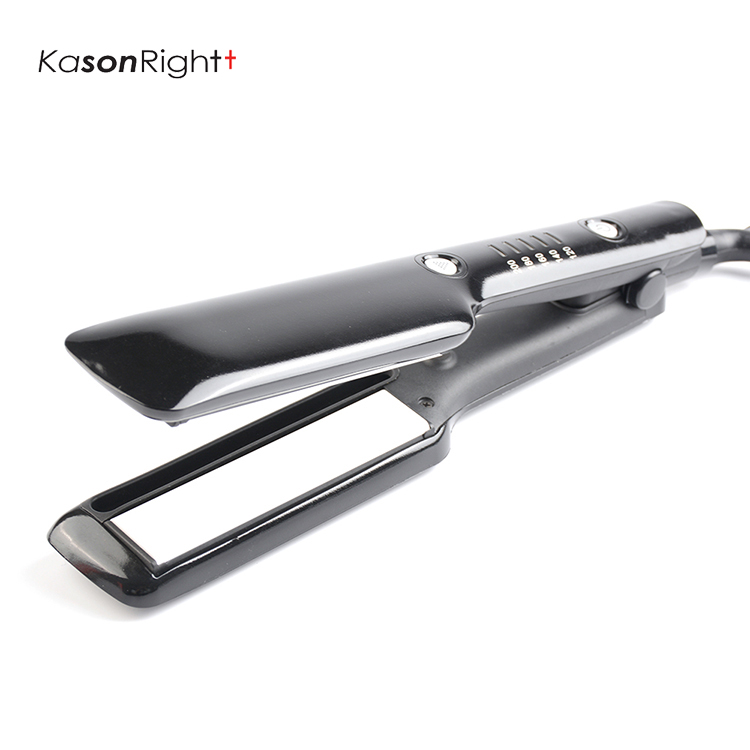 مكواة فرد الشعر بالبخار، تقنية رذاذ الرطوبة الباردة، مكواة فرد الشعر وأداة تصفيف الشعر
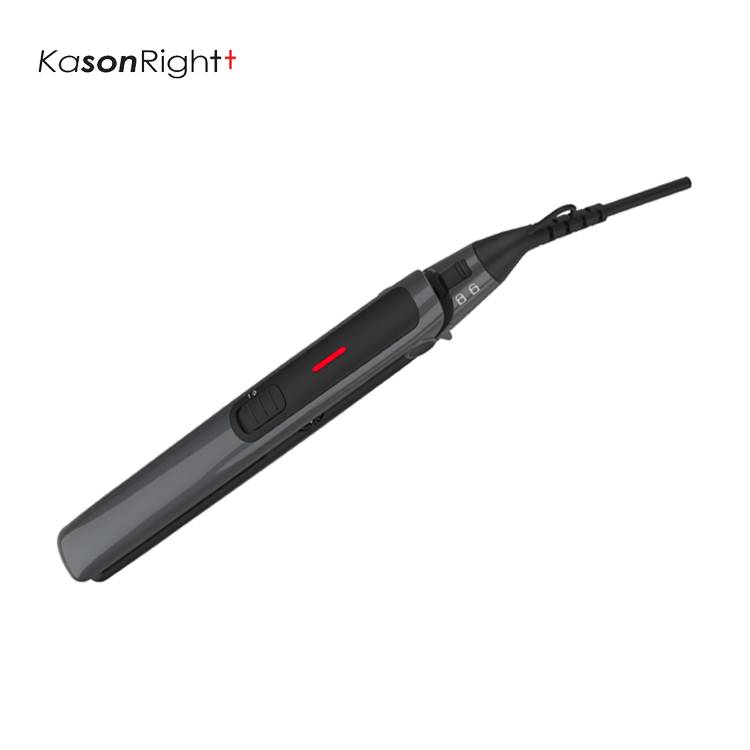 مكواة فرد الشعر بتقنية PTC تسخين سريع لتنعيم الشعر ونتيجة طويلة الأمد، مؤشر LED، مكواة بألواح عائمة